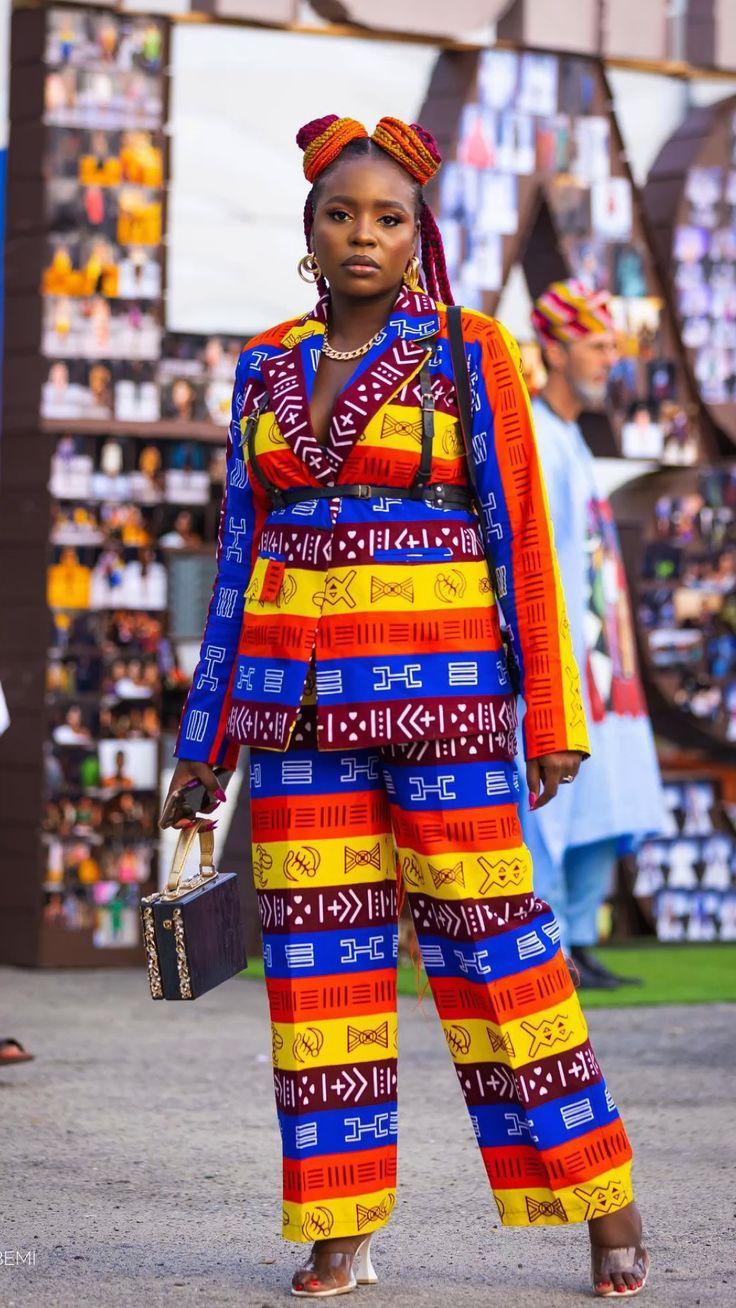
Walk into any Lagos traffic jam and watch the aesthetic unfold: a girl in a hand-dyed adire hoodie, a guy in an oversized Ankara blazer, someone else rocking a gele-inspired headband with sneakers. It’s messy, loud, clever, and incredibly human, the kind of fashion that stops you mid-scroll and makes you want to copy the look or at least tag a friend.
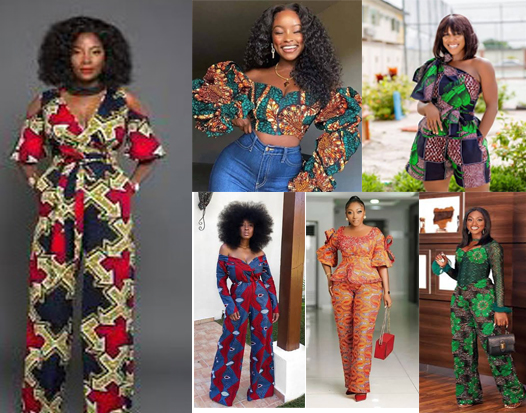
This is Nigeria’s fashion revival. It isn’t a trend that arrived fully formed from abroad; it bubbled up from compound courtyards, market stalls, Instagram reels, and late-night DIY videos. Gen Z didn’t just remix what came before; they reclaimed it, amplified it, and made it streetwise. As reported by the Independent Newspapers Limited, Ankara is now at the heart of modern fashion in Nigeria.
Why does this feel different?
Traditional fabrics used to come with rules: wear them for ceremonies, respect the silhouette, don’t experiment. Gen Z tossed that rulebook. They took adire, aso-oke, and Ankara off the altar and into everyday life. The result? A look that’s both personal and political, not in slogans, but in presence: culture worn casually, proudly, and without apology.
It’s a cultural pivot disguised as fashion. Where older generations saw “native,” younger people saw raw material for self-expression. The same patterned cloth that once marked a ceremony now headlines campus OOTDs and TikTok tutorials.
The internet is the new atelier
Two things pushed this revival faster than tailors or fashion weeks: phones and story. A 30-second video showing a thrift flip or a behind-the-scenes dye session turns local craft into global content. Designers no longer need a glossy catalog; a reel with a catchy beat, honest captions, and a clear “link in bio” will sell out a drop.
Platforms gave creators the tools to turn style into income. Small sewing rooms became brands. Thrift flips became tutorials. What used to be a hobby became a hustle, and that’s important in a place where creativity often equals survival.
Thrift, sustainability, and style
There’s a humility to the way this generation dresses. Thrifting isn’t nostalgia; it’s strategy. A ₦2,000 jacket from a market stall, when deconstructed and restyled, becomes a statement piece. That thrift wallet flex is also an eco-choice, a rejection of throwaway fashion in favour of curation and care.
This is what I call “intentional cool.” It’s not about labels; it’s about narrative. Each patched sleeve, each repurposed bead, carries a history. In Nigeria, wearing thrift well is the new status symbol.
Designers who are shaping the language
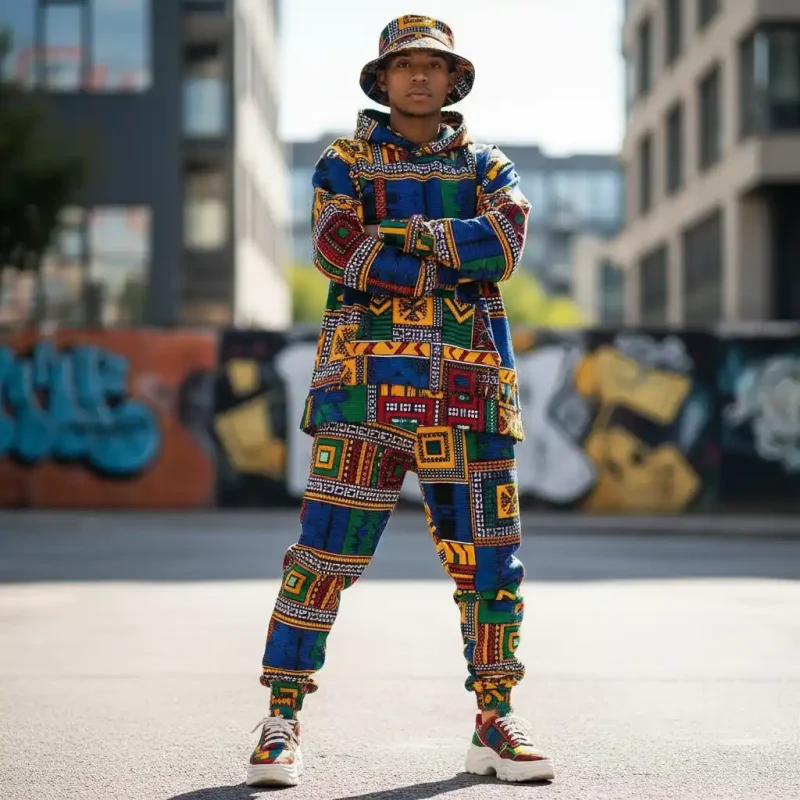
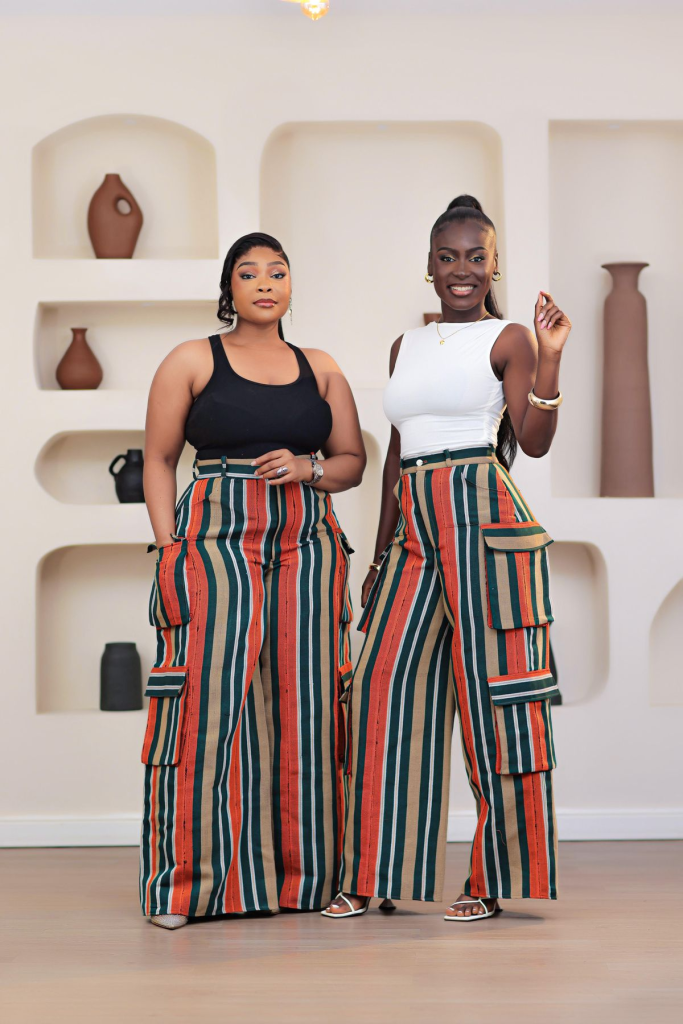
You don’t need couture to be influential. Independent labels and micro-designers are the movement’s backbone, people working from studios, compounds, and communal workspaces, weaving heritage into contemporary cuts. They make agbada sleeves on hoodies and lace trims for street skirts; they collaborate with musicians and creators for capsule drops that sell out before sunset.
These designers are also storytellers. They share the origin of a dye recipe, the village where a weave was sourced, and the grandma who taught them to sew. That context turns garments into culture and customers into custodians.
Culture, confidence, and global ripples
Celebrities and global brands might nod, but the movement’s pulse stays local. It’s a conversation between Lagos street corners and diaspora runways, and Gen Z is fluent in both languages.
The real impact: income, identity, influence
This isn’t just an Instagram story; it’s economic. Small brands scale into boutiques. Tailors become CEOs. Content creators convert followers into customers. The creative economy here is messy, entrepreneurial, and real, and fashion is one of its most visible success stories.
On the identity side, the revival flips the script: loving your culture isn’t old-fashioned; it’s trendsetting. Wearing adire is no longer a costume; it’s a choice.
Final stitch
Nigeria’s fashion revival is a quiet revolution that looks like a party. It mixes reverence with remix, heritage with hustle. It’s a Gen Z anthem: wear where you come from, sell what you make, and make it feel new.
So next time you spot someone styling Ankara with combat boots or see a reel where someone transforms a thrift find into runway energy, don’t just double-tap. Ask where they bought it, learn the maker’s name, and maybe, if you can, support the small brand behind the look. Because this revival isn’t just about what we wear, it’s about who we are when we wear it.
Got style, skills, or something the world needs?
Don’t just post it, monetize it.
Create, sell, and grow your brand all in one place with Vonza.