If you live in Nigeria today, you know the struggle. You buy a data plan, scroll through a few TikToks, watch some Instagram Reels, and suddenly… your data is gone. That 5GB you thought would last two weeks? Finished in three days.
It’s frustrating. It’s expensive. And honestly, it feels like staying online is becoming a luxury.
But data is no longer optional. It’s how we work, learn, earn, socialize, and even run our businesses. So when prices rise across all networks, it affects almost everyone.
The big question is: why is data getting so expensive in Nigeria? And more importantly, how can you stay connected without breaking the bank? Let’s break it down.
According to The Guardian Nigeria, rising telecom tariffs have made data more expensive for millions of Nigerians, adding strain to household budgets and daily internet use
Why Data Prices Keep Rising
It’s easy to blame the networks, but the truth is more complicated. Here’s what’s really happening:
1. Inflation and the Cost of Living
Everything in Nigeria is more expensive now: fuel, food, rent, transportation… and yes, internet services. The cost of running telecom operations has gone up, so naturally, data prices follow.
2. The Dollar Factor
Most of the equipment telecoms use, cables, routers, servers, and satellite systems, is imported. When the dollar rises, these costs rise too. That cost trickles down to you.
3. Electricity and Power Costs
Telecom companies rely on generators to power towers and data centers. With unstable electricity and rising diesel prices, keeping networks running isn’t cheap. Again, the consumer pays.
4. High Demand Meets Limited Infrastructure
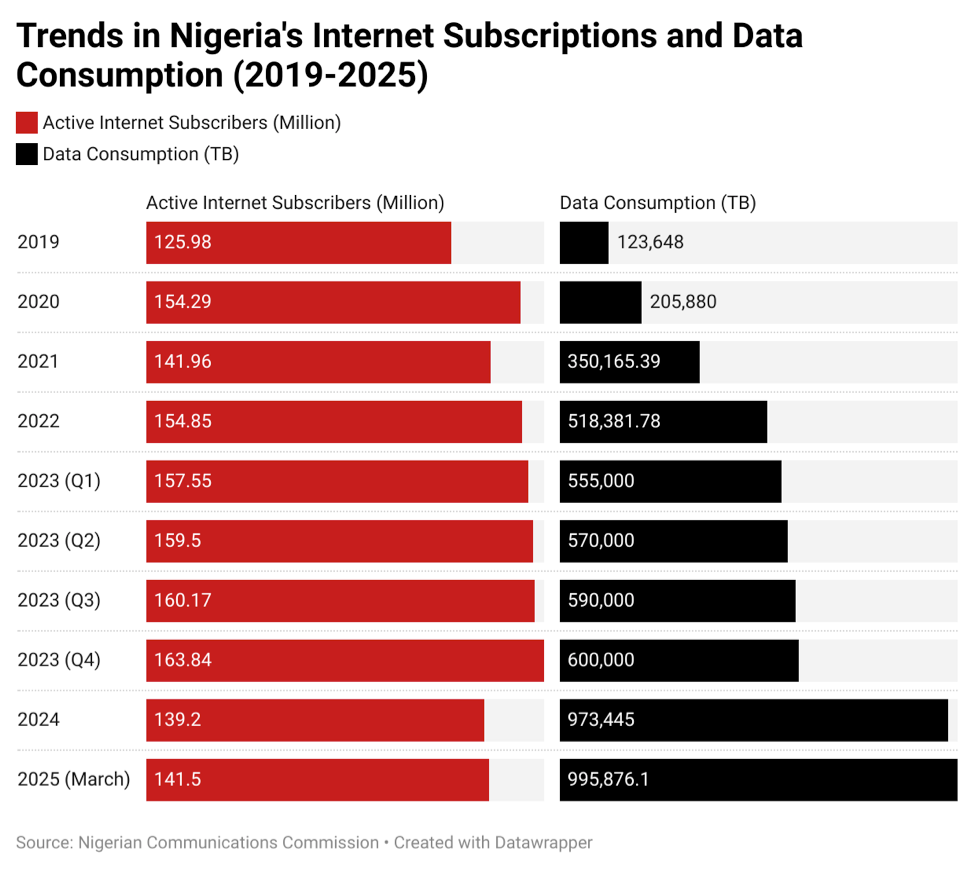
More Nigerians are online than ever. From remote work to online classes, social media, and streaming, the demand for data is huge. But the infrastructure hasn’t caught up, so providers charge more to keep things running smoothly.
5. Faster Internet Means Faster Consumption
4G and 5G are amazing, but faster speeds mean your data disappears quicker. A video that used to take 1MB on 3G can now consume 4MB or more at a higher quality.
6. Apps Designed to Keep You Scrolling
TikTok, Instagram, YouTube Shorts… these apps autoplay videos and constantly refresh feeds. Your data is being used even when you’re not actively scrolling.
How Rising Data Prices Affect Everyday Nigerians
Let’s be real, everyone feels this:
- Students: struggling to attend online classes without spending a fortune on data.
- Content creators: uploading videos and posting online every day.
- Remote workers: meetings, file uploads, and collaboration tools eat data fast.
- Entrepreneurs: running small businesses on WhatsApp and Instagram.
- Families: kids streaming YouTube, parents working from home, and everyone staying connected.
Data is no longer a convenience. It’s a necessity, and the rising costs are felt in every household and workplace.
How Smart Nigerians Are Coping
Despite the high costs, Nigerians are finding clever ways to stretch their data:
1. Using Data-Efficient Apps
People are switching to lighter apps like TikTok Lite, Facebook Lite, and Google Go. They use less data but still let you stay connected.
2. Switching to Wi-Fi or Home Broadband
Where possible, Nigerians are moving heavy usage to Wi-Fi for streaming, online classes, remote work, and running small businesses. It’s cheaper and more stable.
3. Timing Downloads and Updates
Many now schedule downloads, updates, and backups for off-peak hours or Wi-Fi connections. This prevents unnecessary mobile data usage.
4. Being Intentional With Apps
Turning off auto-play on social media, disabling background refresh, and reducing video quality are simple tricks that save huge amounts of data.
5. Learning to Earn Online
Instead of just cutting costs, many Nigerians are earning more online. Freelancing, creating digital products, selling courses, or offering services online helps cover data expenses and more.
Tips to Reduce Data Usage Without Sacrificing Your Digital Life
- Turn off auto-play on TikTok, Instagram, and YouTube.
- Disable background data for apps you don’t use regularly.
- Reduce video streaming quality (480p is usually enough).
- Stop auto-downloading media on messaging apps.
- Use data-saving features on your phone.
- Download content offline when possible.
- Choose longer-term bundles or Wi-Fi over daily/weekly small plans.
Every small habit can save you megabytes and naira every day.
The Future of Data in Nigeria
Data is expensive now, but it’s also more valuable than ever. From education to entertainment to business, the internet powers almost every aspect of life.
Smart Nigerians aren’t just cutting costs, they’re using data to create income, grow their skills, and build businesses.
The digital economy is booming, and those who adapt will reap the greatest benefits.
Take Control of Your Digital Future
You don’t have to let data prices dictate your choices. You can take charge of your internet usage and your income.
Start building your digital business today: a course, a membership, a digital product, or a small online shop. Platforms like Vonza make it simple: create, launch, and sell all in one place.
It’s free to get started, and it could be the smartest move you make this year.
Start for free on Vonza today and turn your skills into income, without letting high data costs hold you back.