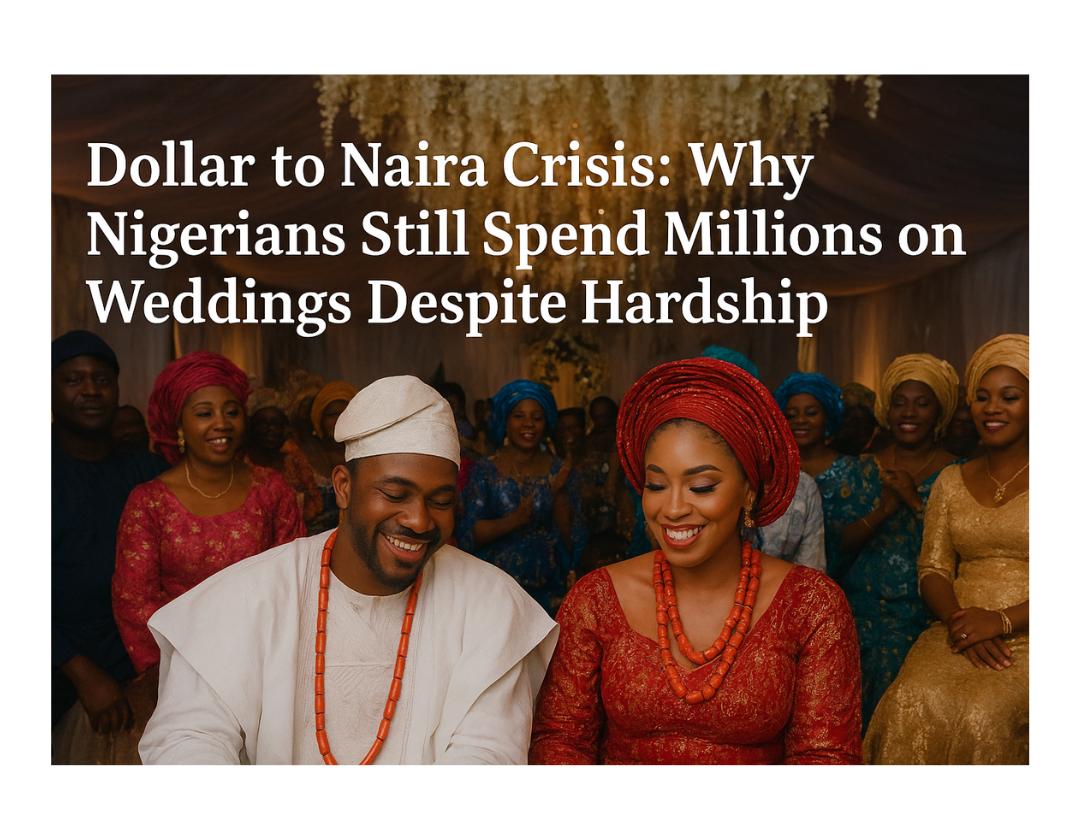
In a controversial enforcement campaign, the Economic and Financial Crimes Commission (EFCC) has launched a crackdown on the public abuse and mutilation of the naira, reigniting debates around the clash of tradition and legality in Nigeria. The EFCC-naira-mutilation controversy is more than a legal battle; it’s a cultural conversation.
What the Law Says About Naira Mutilation
According to the CBN Act of 2007, defacing or spraying the naira is illegal. Though this law has existed for years, enforcement has historically been minimal. Now, amid the naira’s devaluation and Nigeria’s economic troubles, the EFCC has chosen to act.
High-Profile Arrests Fuel Efcc-Naira-Mutilation Debate
The EFCC-naira-mutilation issue gained national attention in May 2024 when Cubana Chief Priest and Bobrisky were both prosecuted for spraying money. Bobrisky received a six-month sentence without the option of a fine. Social media users immediately questioned the EFCC’s selective enforcement of this law.
Culture vs. Law: Is Spraying Money a Crime or Celebration?
Spraying money is deeply embedded in Nigerian culture. It symbolizes appreciation, joy, and generosity. Critics argue that criminalizing this tradition under the Efcc-naira-mutilation policy ignores cultural context.
One Twitter user wrote, “They’re arresting entertainers, but ignoring politicians spraying cash at rallies.”
Selective Justice and Double Standards
The public’s biggest frustration is the inconsistency of the law’s enforcement. While celebrities are jailed, political elites seem untouched. Comparisons on social media show politicians publicly throwing cash during election campaigns with no consequences.
Internal Link: Read more on how cultural norms impact Nigerian business on our blog
EFCC and CBN’s Economic Argument
The EFCC and Central Bank argue that spraying the naira leads to mutilation and unnecessary costs of reprinting currency. With inflation and economic pressure mounting, they claim these actions aim to restore respect for the naira.
Impact on Events and the Entertainment Industry
The EFCC naira mutilation enforcement is affecting the events space. Event planners are now discouraging cash spraying. Some events encourage digital alternatives like “account number displays” for guests to transfer money instead.
DJs, MCs, and traditional dancers say the crackdown threatens their earnings and alters long-standing celebratory practices.
Internal Link: Discover how Nigerian businesses are adapting to new regulations
Social Media Reactions: Mockery and Protest
From comedians to influencers, the public has reacted with humor and outrage:
- Instagram: “So we’re jailing partygoers, not corrupt politicians?”
- X (Twitter): “Spraying money via bank transfer—Naija innovation.”
- Facebook: “Our culture is not a crime.”
What Comes Next: Culture, Justice, and Priorities
While the intention to protect the naira has merit, critics argue that the EFCC should focus more on grand corruption and economic recovery rather than symbolic enforcement. The EFCC-naira-mutilation law is quickly becoming a symbol of misplaced priorities.
Final Thoughts
The EFCC-naira-mutilation crackdown reveals deeper tensions between Nigeria’s legal frameworks and cultural identity. Whether this will lead to lasting behavioral change or further public disillusionment remains to be seen.
Explore more trending news and business insights from Vonza Africa
Until then, partygoers may want to stick to digital transfers labeled “Sprayed with Love.”