Introduction
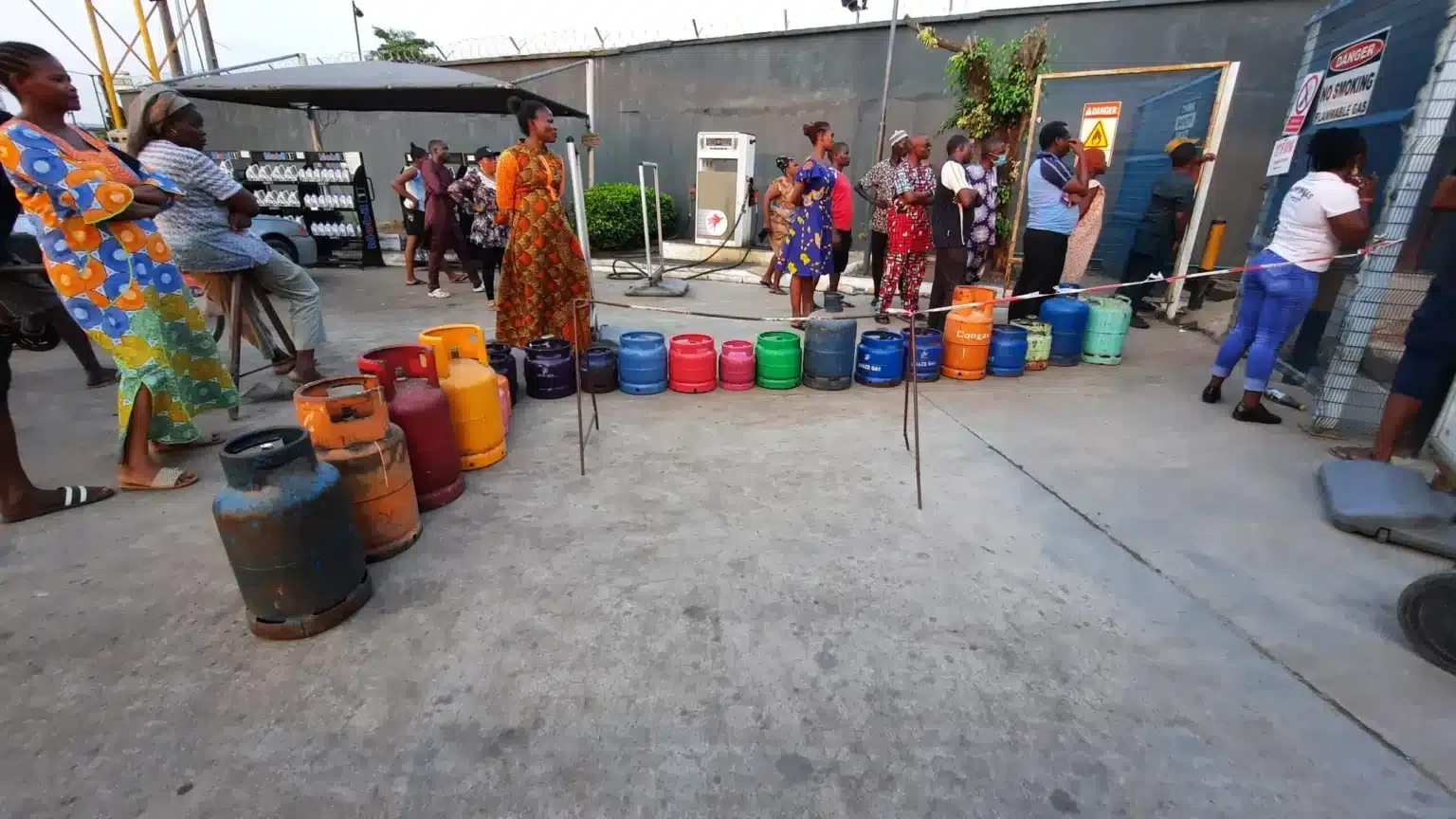
It’s becoming a painful routine: Nigerians visit gas plants only to be met with empty tanks or shocking prices. In Lagos, refilling a 12.5kg cylinder now costs between ₦24,000 and ₦30,000, depending on the area. In Abuja, Port Harcourt, and other cities, it’s not much better.
What used to be the “clean and affordable” cooking option is now out of reach for many families and this growing LPG (Liquefied Petroleum Gas) crisis is shaking both homes and businesses.
But what exactly is behind this sudden surge, and how will it affect everyday life? Let’s break it down.
Current Prices Across Nigeria (October 2025)
| City | Price per KG | 12.5kg Cylinder Average |
|---|---|---|
| Lagos | ₦2,700 – ₦3,000 | ₦24,000 – ₦30,000 |
| Abuja | ₦2,500 – ₦2,800 | ₦23,000 – ₦28,000 |
| Port Harcourt | ₦2,600 – ₦2,900 | ₦24,000 – ₦29,000 |
| Ibadan | ₦2,400 – ₦2,700 | ₦22,000 – ₦26,000 |
(Data compiled from Nairametrics, Guardian Nigeria, and Channels TV reports, October 2025)
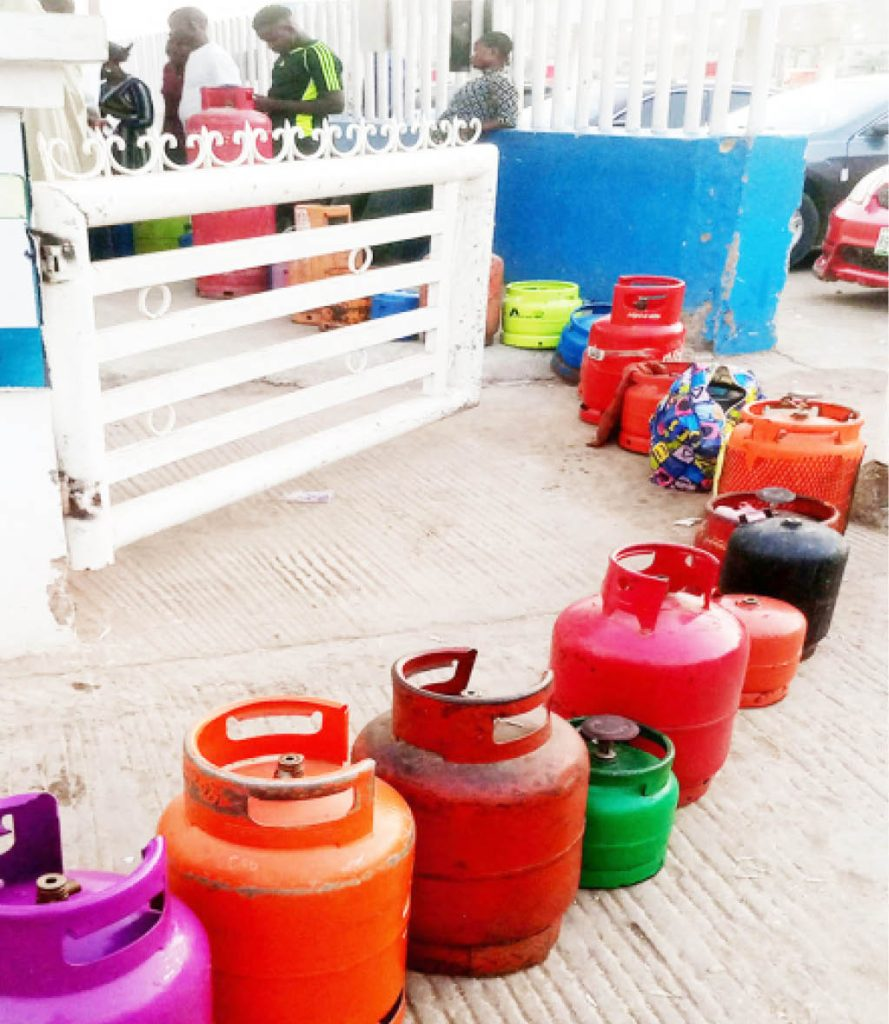
Why Is Cooking Gas So Expensive?
This spike isn’t just random; it’s the result of several overlapping problems:
1. Disruption at Dangote Refinery
In late September 2025, the Petroleum and Natural Gas Senior Staff Association of Nigeria (PENGASSAN) ordered a halt in gas supply to the Dangote Refinery. The move followed disagreements over staff layoffs.
Since Dangote plays a key role in supplying LPG nationwide, this strike created an immediate supply vacuum that rippled across the country.
2. Limited Local Production
Nigeria produces gas, but most of it is exported. Domestic refineries and gas plants don’t supply enough to meet demand. So, when one major source (like Dangote) goes down, there’s no backup.
3. Weak Distribution Network
Even when gas is available, poor transport and pipeline infrastructure make it difficult to move LPG from depots to retailers. Many states depend on truck deliveries that are costly and slow.
4. Retail Price Manipulation
Retailers often take advantage of scarcity. NNPC recently admitted that some dealers were artificially hiking prices, blaming “market instability” while earning record margins.
5. Exchange Rate Pressure
Nigeria’s LPG imports and feedstock are priced in dollars, but sales happen in naira. The weaker the naira, the more expensive gas becomes. With the dollar currently trading above ₦1,600, costs have soared.
How This Affects Nigerians
1. Household Budgets Under Strain
Cooking gas, once considered the cleanest and most efficient cooking option, is now a luxury. Families are cutting back, some switching to kerosene, charcoal, or even firewood.
A mother of three in Ikeja told reporters, “I used ₦8,000 for gas in July; now I need ₦26,000. It’s unbearable.”
2. Health & Environmental Dangers
When people switch back to firewood and charcoal, indoor air pollution rises. According to the WHO, household smoke exposure increases the risk of asthma, pneumonia, and heart disease, especially in women and children.
Environmentally, widespread return to firewood fuels deforestation and higher carbon emissions, worsening Nigeria’s climate problems.
3. Restaurants and Small Businesses Hit Hard
Food vendors, bakeries, and catering services rely heavily on LPG. Rising prices mean shrinking profits. Many are increasing meal prices, while others may shut down temporarily.
4. Inflation Ripple Effect
Cooking gas is a basic household item. When its price rises, it pushes up the overall cost of living from restaurant meals to local bread and street food. Inflation, already above 30%, could worsen further.
The Environmental (Green) Side of the Crisis
Beyond economics, this scarcity exposes how vulnerable Nigeria’s energy transition still is.
- Gas is meant to be the “bridge fuel” between fossil fuels and renewables. But if it’s unstable, people will fall back on dirtier options like charcoal and kerosene.
- Deforestation and air pollution rise when people burn wood. This undermines Nigeria’s climate pledges under the Paris Agreement.
- Gas flaring continues even as citizens face shortages. Nigeria flares millions of cubic feet of gas daily, enough to meet domestic cooking demand many times over.
This contradiction, wasting gas while households suffer, highlights the need for sustainable reform.
What Can Be Done
1. Diversify Supply
Nigeria must reduce dependence on a single refinery or import channel. Smaller modular gas plants across regions can reduce bottlenecks.
2. Invest in Green Alternatives
Solar cookers, biogas systems, and electric stoves (powered by renewable energy) can gradually reduce dependence on LPG especially in urban areas.
3. Stabilize the Market
Government agencies like NNPC and DPR should monitor prices more closely, penalize hoarding, and ensure supply transparency.
4. Support Low-Income Families
Targeted LPG vouchers or energy subsidies can help poor households afford clean energy without falling back on firewood.
5. Protect Workers and Prevent Strikes
Dialogue with unions must be prioritized. Industrial action that halts national supply should be a last resort, not the first.
What This Means for the Future
If the government doesn’t act quickly, Nigeria risks a full-blown energy access crisis. The gas scarcity could deepen urban poverty, drive up food inflation, and push millions back into unsafe, polluting cooking habits.
But with smart policies, more domestic gas production, renewable adoption, and fair regulation, this moment could also become a turning point toward greener, more resilient energy systems.
Final Thoughts
The message is clear: cooking gas shouldn’t be a luxury in an oil-rich nation. Nigeria must fix the leaks in its supply chain, invest in clean energy, and prioritize the well-being of its people over profit or politics.
Until then, every blue flame in a Nigerian kitchen will keep reminding us that energy security isn’t about abundance, it’s about accessibility.
As gas prices rise, so should your income.
Start earning online with Vonza Africa’s all-in-one platform to create courses, sell products, and build your brand. Start free on Vonza.