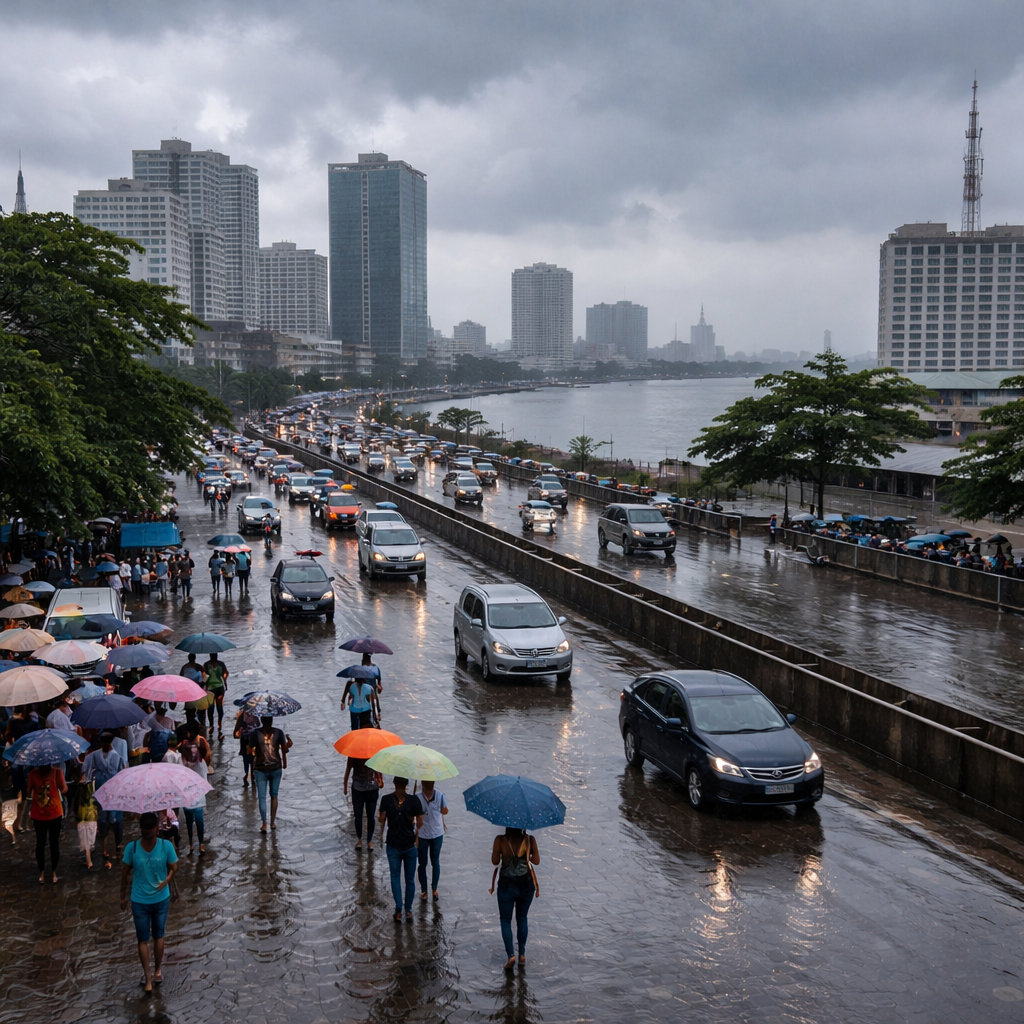
Today, January 19th, 2026, something unusual happened in Lagos.
At a little past 1:00 p.m., rain started falling.
At first, it was a light drizzle. Many people ignored it. After all, it was January. Rain is not supposed to be serious this time of year.
But the drizzle didn’t stop.
It became heavier. Louder. More consistent. By 3:30 p.m., the rain was still drizzling.
That’s when many Lagos residents started asking the same questions:
- Why is it still raining in Nigeria?
- Is Harmattan not coming again?
- After all this heat, why are we now seeing rain?
This Does Not Feel Like a Normal January
January in Nigeria is usually dry.
It is meant to be the Harmattan season. Cool mornings. Dusty air. Dry skin. Hazy skies.
This year feels different.
Instead of dry air, we experienced intense heat. The kind of heat that makes sleeping uncomfortable and keeps fans running all night.
Now, in the middle of that heat, rain has appeared.
For many people, it feels confusing and out of place.
According to a report by EnviroNews Nigeria, changes in Nigeria’s seasonal weather patterns are becoming increasingly noticeable. The report highlights how Harmattan, once predictable and clearly defined, is now arriving late, lasting for shorter periods, or feeling weaker in many parts of the country. This shift aligns with what many Nigerians are experiencing today: unusual heat during the dry season, unexpected rainfall in January, and weather patterns that no longer follow the calendar.
The Heat and the Rain Are Connected
As strange as it feels, the rain did not come randomly.
The extreme heat played a major role.
When temperatures rise, moisture builds up in the atmosphere. In a coastal city like Lagos, surrounded by water, this happens even faster.
Warm air rises with moisture. When it cools at higher levels, clouds form. When those clouds become heavy, rain falls.
So the rain did not come despite the heat.
It came because of the heat.
Is Harmattan Still Coming?
Harmattan has not disappeared.
However, it has become less predictable.
Climate change has disrupted normal weather patterns. The dry winds that used to arrive at a specific time now come late, briefly, or unevenly.
Some parts of Nigeria may still experience Harmattan conditions. Coastal cities like Lagos may experience rain and humidity instead.
The seasons are now overlapping.
Climate Change Is Already Affecting Nigeria
Climate change is no longer a distant issue.
It is showing up in everyday life.
It looks like:
- Rainfall during dry months
- Extreme heat followed by sudden rain
- Weather patterns that no longer follow the calendar
Nigeria is already experiencing the effects, especially in cities like Lagos.
Why Lagos Is Affected More
Lagos is a highly urbanized city.
Concrete roads, buildings, traffic, and population density trap heat. This raises temperatures across the city.
Lagos is also close to the Atlantic Ocean. This increases humidity and moisture in the air.
Together, these factors make Lagos more vulnerable to unexpected rainfall and weather changes.
When Will the Rain Stop?
There is no exact answer.
Climate change has made weather patterns less stable.
The rain may stop suddenly. It may return again within days. Or it may stay away for weeks before appearing again.
Weather is now reactive, not seasonal.
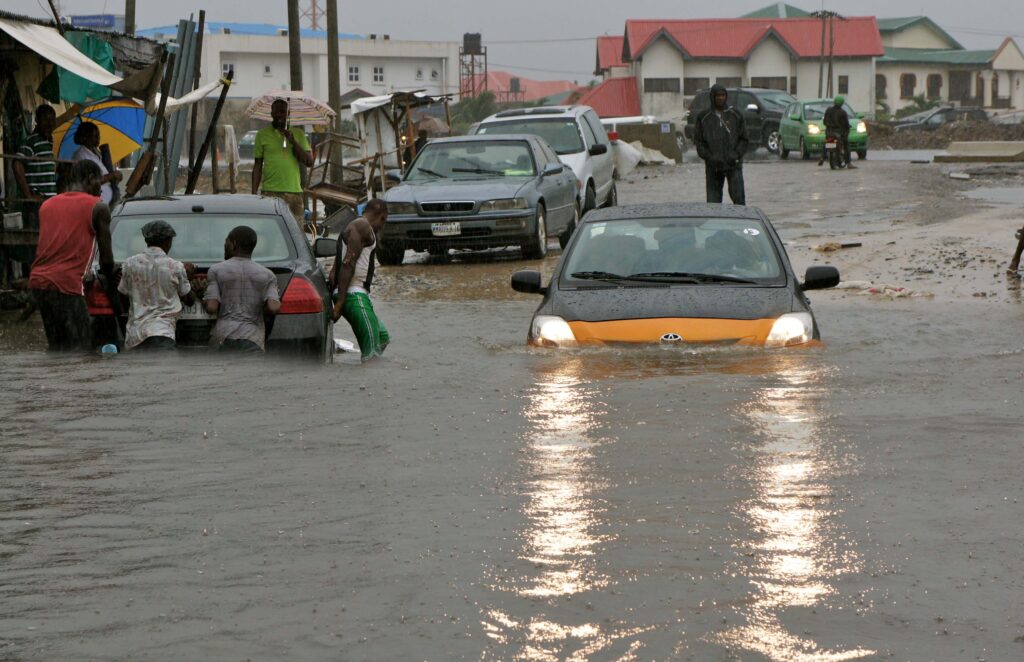
What the January 20 Rain Really Means
The rain that fell on January 20, 2026, is not just a random event.
It is a sign that Nigeria’s climate is changing.
The concept of normal weather is slowly fading away.
While the rain will eventually stop, the changes behind it will continue.
January no longer feels the way it used to.
Many Nigerians are now left asking one question.
What is really happening to our climate?