At exactly 7:00 a.m. on 11th December 2026, Lagos witnessed a moment that felt almost supernatural.
One minute, the sky was grey and quiet.
The next minute, it began darkening rapidly so fast that people looked outside, wondering if it was suddenly evening. The clouds thickened, the wind shifted, and within seconds, a violent crack of thunder ripped across the city, shaking homes and startling thousands awake.
Then it happened.
A heavy, roaring downpour in December.
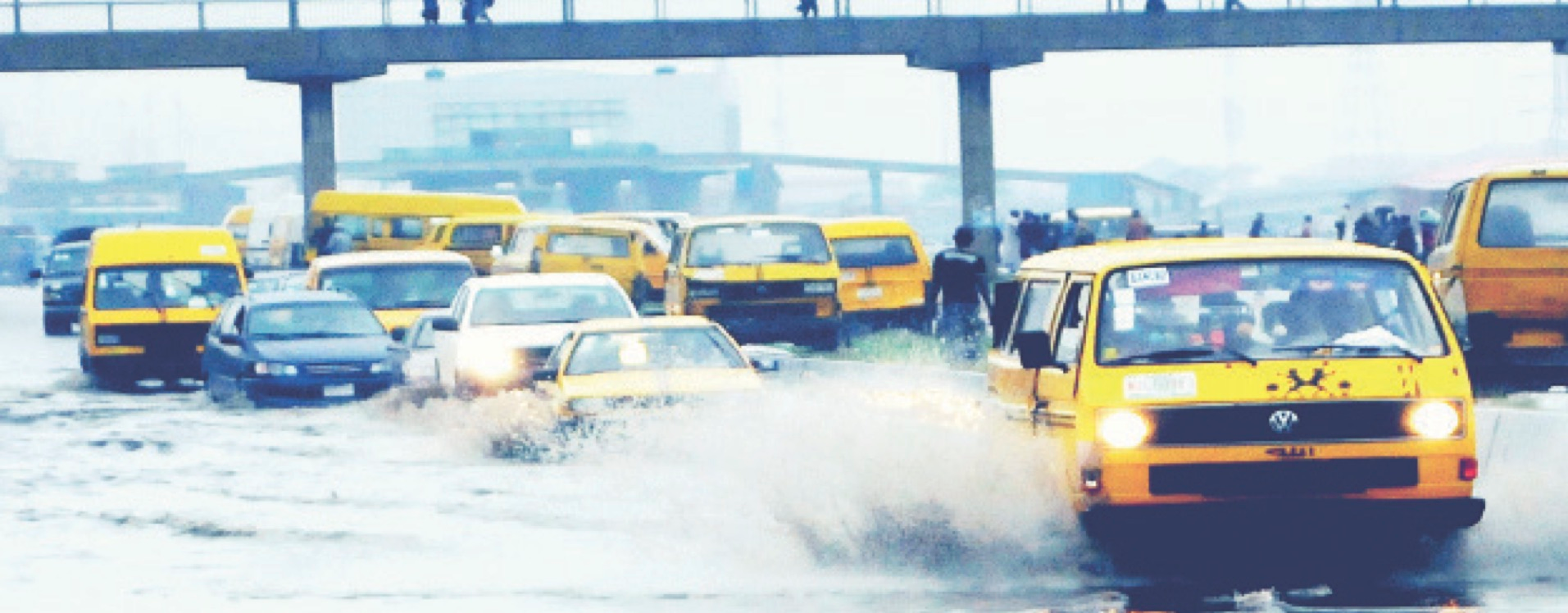
In a month where Nigeria normally celebrates the return of dry harmattan winds, Lagos was instead drenched in a tropical storm powerful enough to disrupt the entire city. Social media exploded instantly:
- “Why is it raining in December?”
- “Please, where is harmattan?”
- “This thunder almost removed my roof!”
- “Is this normal, or has the weather changed?”
Questions filled the atmosphere just as fast as the storm clouds did.
So what exactly is going on?
Is the climate shifting?
Is this just the “last rain” of the year?
Or is Lagos entering a new weather era?
Let’s break down the truth behind this unusual December rainfall and what it means for the future.
According to TheCable, Lagos is among the coastal states expected to experience an extended rainy season, with NiMet forecasting that rainfall could stretch into early mid-December instead of ending earlier.
Harmattan Should Be Here… But It’s Not. Why?
December in Nigeria is synonymous with harmattan:
- dusty breeze
- cold mornings
- cracked lips
- foggy roads
- dry skin
But instead of dry air, Lagos is experiencing:
- thick humidity
- dark clouds
- violent thunder
- scattered rainfall
So why the delay?
1. The rainy-season wind has not fully withdrawn
Nigeria’s weather is controlled by two major winds:
- South-West Moist Wind brings rain
- North-East Trade Wind brings harmattan
By December, the moist wind normally retreats.
But this year, it hasn’t.
This delayed withdrawal is causing leftover rainfall and pushing harmattan farther back.
2. Lagos is heavily controlled by the Atlantic Ocean
Coastal cities rarely follow predictable seasonal calendars.
The Atlantic Ocean has been unusually warm, releasing heavy moisture into the air. This warm air is preventing harmattan from taking over and creating perfect conditions for:
- dark storm clouds
- humidity
- late-season thunderstorms
3. Lagos is now an urban heat zone
Heat rising from cars, buildings, industries, and human activity creates a “heat dome” that traps moisture.
When trapped moisture meets early harmattan winds:
BOOM thunderstorms.
The December 11 Thunderstorm: What Really Happened?
Residents described the thunder as:
- “Earth-shaking.”
- “Scary.”
- “The loudest in years.”
The reason the storm was so aggressive is that it was a clash of two seasons.
Cold harmattan air attempted to enter Lagos for the first time this year.
Warm, humid air refused to leave.
When these air masses collide:
- pressure drops suddenly
- Thunder becomes violent
- lightning becomes intense
- rain falls heavily
This dramatic clash created the early-morning darkness and explosive thunder that shook Lagos.
Is This Climate Change? The Honest Answer: Yes and No.
YES, Climate change is intensifying Nigeria’s weather patterns.
Nigeria is seeing more:
- delayed harmattan
- extended rainy seasons
- sudden downpours
- flash floods
- nighttime heat waves
Climate change doesn’t always mean hotter temperatures only; it also means unpredictability.
NO, December rain is not entirely new.
Coastal states like Lagos, Rivers, Delta, and Cross River have always experienced occasional late-year showers.
However…
What makes 2026 different is:
- the intensity
- the thunder
- the early-morning darkness
- The late arrival of harmattan
- the unusual humidity
This combination signals a deeper atmospheric shift.
What Lagos Residents Should Expect Next
1. Harmattan will still come, but later
Expect it:
- mid–late December
or - early January
But it will likely be milder.
2. Lagos is no longer following the “old” weather calendar
You may start seeing:
- rain in dry season months
- warmer nights
- humidity spikes
- unpredictable downpours
3. Flooding risks remain even in December
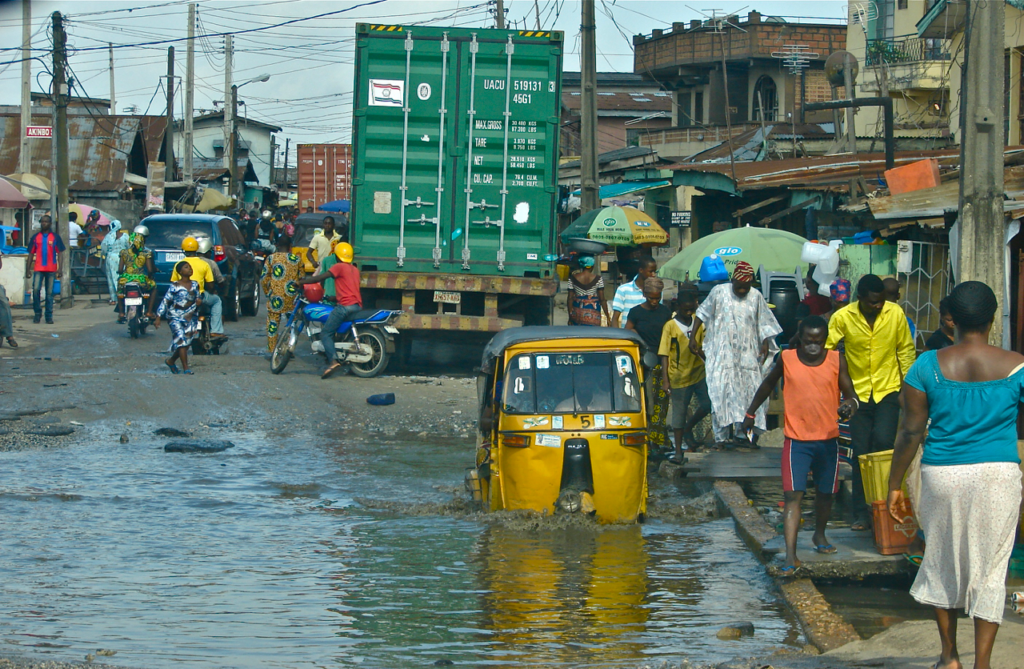
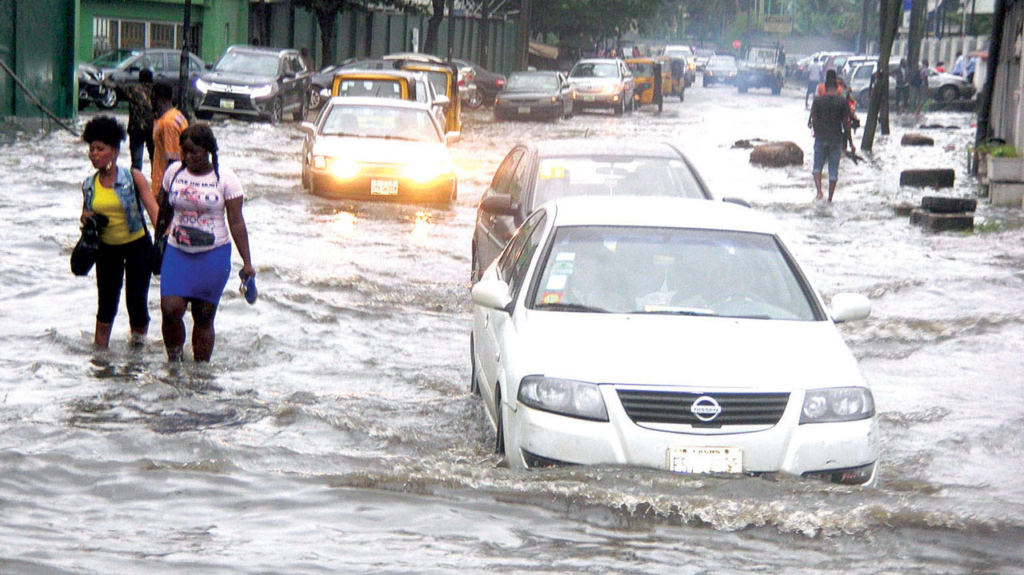
This morning’s rain proves that Lagos can flood at any time of the year.
4. Weather apps will continue to be confused
Nigeria’s new microclimate is difficult for global forecasting systems to interpret, so sudden changes will continue.
So… What’s Really Going On?
Lagos is entering a new climate phase.
What happened on December 11 is a sign that:
- Global warming is shifting weather timelines
- Coastal states will experience more off-season rain
- Harmattan will no longer arrive with predictable consistency
This morning’s storm wasn’t just a “random rain.”
It was a warning, a reminder that nature is changing more rapidly than we had expected.
Final Thoughts
People are right to ask questions.
This weather is different.
It is noticeable.
It is unusual.
The dark sky at 7 a.m., the violent thunder, and the heavy downpour in December all point to one truth:
Nigeria’s climate is changing, and Lagos is feeling it first.
As the seasons continue to shift, one thing is certain:
We must start paying attention to these signs, because the weather of the past is not a reliable indicator of the weather of the future.
Build, Sell & Grow Online All in One Place
Weather may be unpredictable, but your business doesn’t have to be.
Create courses, sell products, host communities, and run your entire brand from one simple platform.
Start your journey on Vonza Africa today, it’s free.