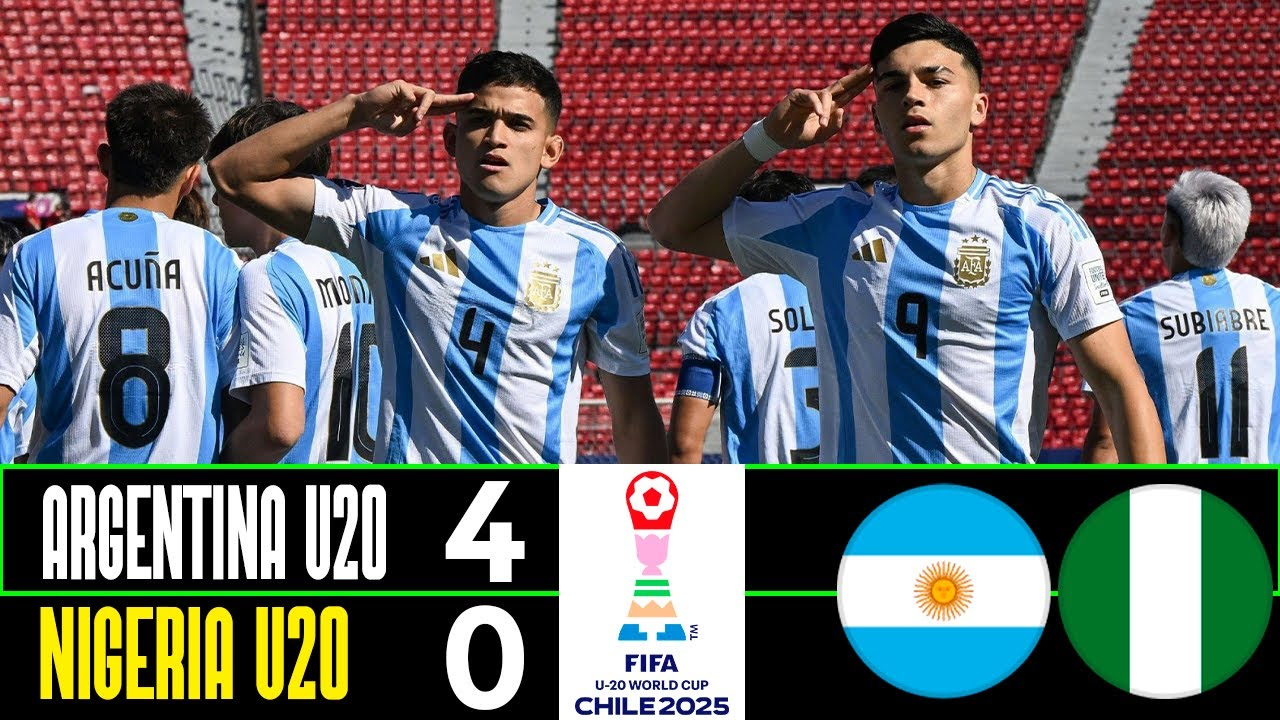
(Argentina vs Nigeria U-20 FIFA U-20 World Cup 2025)
By the time many fans had finished their first sip of water, the match had already written its first line. Two minutes in, a defensive slip turned into an opener for Argentina, and that single moment rippled through the rest of the night. What followed wasn’t just a loss on the scoresheet; it was a lesson in preparation, temperament, and tactical maturity for a Nigerian side that arrived in Santiago dreaming of an upset. According to Punch, Argentina crushed Nigeria.
The quick headline (so you don’t miss it)
Final score: Argentina 4 — 0 Nigeria.
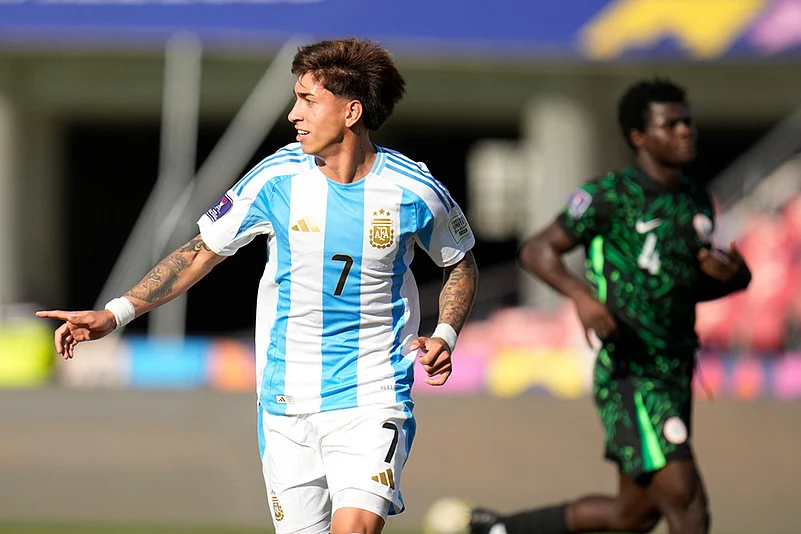
Goals: Alejo Sarco (2′), Maher Carrizo (23′, 53′), Mateo Silvetti (66′).
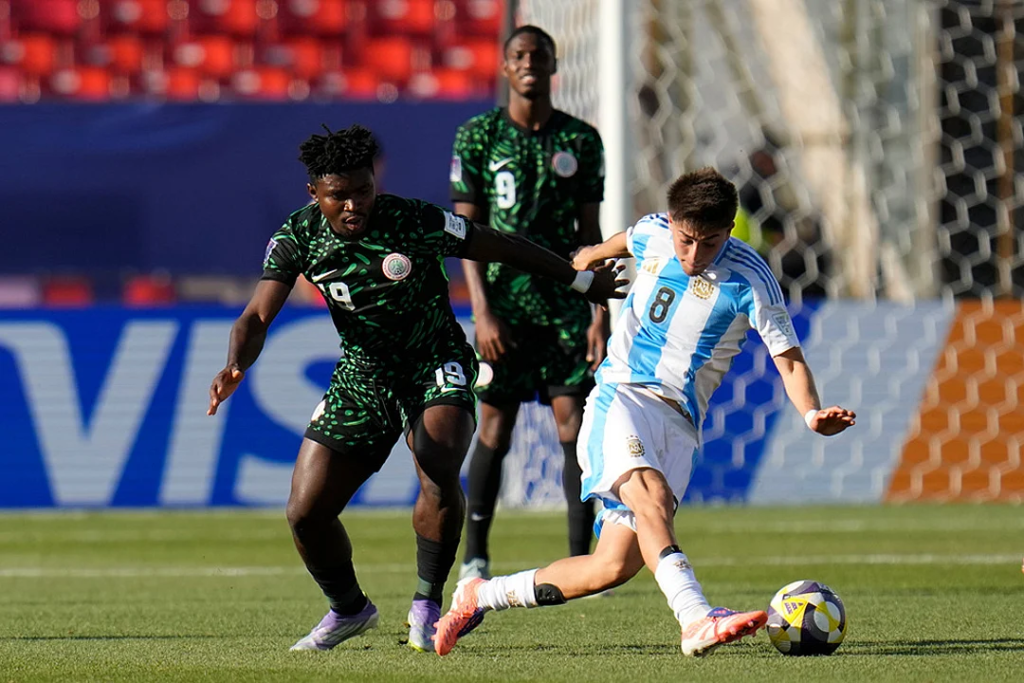
The match, in a breath
Argentina struck fast, punished poor marksmanship at set pieces, and finished clinically whenever space opened. Nigeria never recovered from that early shock. Argentina played like a team on a mission: compact when needed, ruthless in transition, and calm in possession. The Flying Eagles fought, but they lacked the cohesion and tactical responses required to blunt Argentina’s momentum.
Minute-by-minute turning points
- 2′ — The damage is done: An early goal changed the contest from a tactical chess match into Argentina’s game of controlled pressure.
- 23′ — Set piece mastery: A curling free kick doubled the lead and underscored a recurring issue, poor wall placement and goalkeeper positioning from Nigeria.
- 53′ — The killer blow: A second from Carrizo after halftime meant Nigeria needed to chase the game, leaving more gaps for the Albiceleste to exploit.
- 66′ — The seal: Silvetti’s composed finish removed any flicker of a comeback and ensured Argentina closed the night with authority.

Tactical autopsy: why Argentina won and Nigeria didn’t
- Psychological momentum: Conceding in the 2nd minute forces a team to switch from game plan to recovery mode. Argentina used that desperation to dictate tempo.
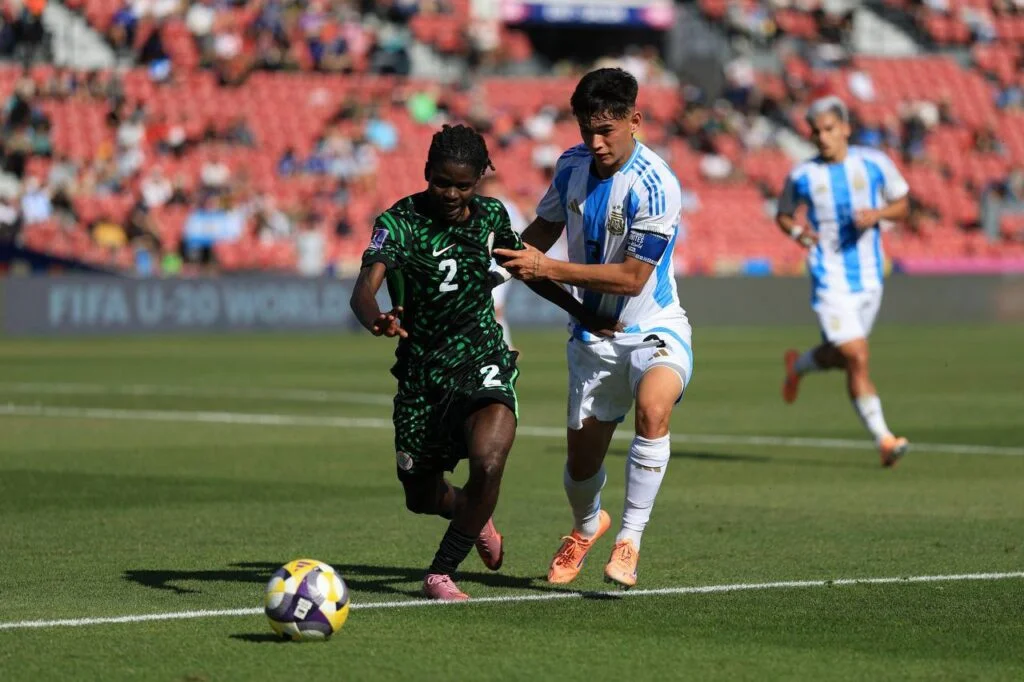
- Midfield control: Argentina won the middle third. Their transitions were faster and their pressing better timed, choking Nigeria’s chances to build play through midfield.
- Set pieces & discipline: One goal came from a free kick; small margins, such as wall discipline and goalkeeper command, made a big difference.
- Defensive organisation: Nigeria’s high line was repeatedly pulled apart, with miscommunication on offside traps and failing to track runners in behind.
- Clinical finishing: When Argentina created chances, they finished them. Nigeria created pressure at times, but couldn’t convert opportunities into goals.
What this loss really exposes
This was more than an individual match failure. It highlighted structural gaps that reappear across generations:
- Preparation vs. match intensity: Technical talent exists, but match readiness, tactical drills for early setbacks, set-piece rehearsals, and in-game tactical adjustments seemed lacking.
- Mental fortitude in youth tournaments: Youth tournaments are as much about character as skill. Handling instant setbacks (like an early goal) should be a trained response.
- Consistency in coaching philosophies: Developing players across club and national setups requires aligned coaching methods; otherwise, tactical dissonance shows during big games.
- Exposure & competitive minutes: Regular minutes in tougher leagues or international youth competitions sharpen decision-making under pressure.
Player spotlight (what to watch next)
- Argentina: The scorers were composed of a midfield that can both protect and create, with finishers who punish mistakes. Expect scouts to be circling.
- Nigeria: Despite the result, individual flashes (positional bravery, dribbling attempts, defensive recoveries) offer building blocks. The challenge is turning those flashes into consistent performances on a national stage.
Fans, noise, and lessons on social media
The reaction back home was the predictable blend: pride in youthful effort, frustration at the tactical failings, and sharp calls for reform. This is healthy scrutiny that can force change, but it should be paired with a plan: investment in coaching education, better set-piece coaching, and structured international exposure for promising youngsters.
What should change in a practical checklist
- Set-piece training as a daily ritual: Small time, big returns.
- In-game contingency plans: Rehearse how the team should respond when conceding early.
- Tactical continuity: Align youth national teams with the philosophy used in youth academies/clubs.
- Psychological conditioning: Resilience training and simulated high-pressure situations.
- Player pathways: Ensure stars at the youth level get progressive competitive minutes, not just token call-ups.
Final take: heartbreak, yes, but also a roadmap
This 4–0 result stings. It should. But every painful defeat contains a blueprint for improvement. Nigeria’s talent pool is deep; to convert potential into trophies requires confronting the small, repeatable errors early, concentration, set-piece discipline, tactical flexibility with deliberate practice, and systemic change. Argentina didn’t merely beat Nigeria; they exposed the areas that, if addressed, can produce the next generation of disciplined, lethal Nigerian teams.
If the Flying Eagles and the people behind them take these lessons seriously, this loss will be remembered not as an end but as a starting pistol, one that marks the beginning of a sharper, wiser rebuild.
Nigerian Youth & Creator Focus
Nigerians are creating, teaching, and earning online. Are you next?
Join the fastest-growing digital platform built for African creators.
Launch your course, sell your products, or host your website, all with Vonza.