Introduction
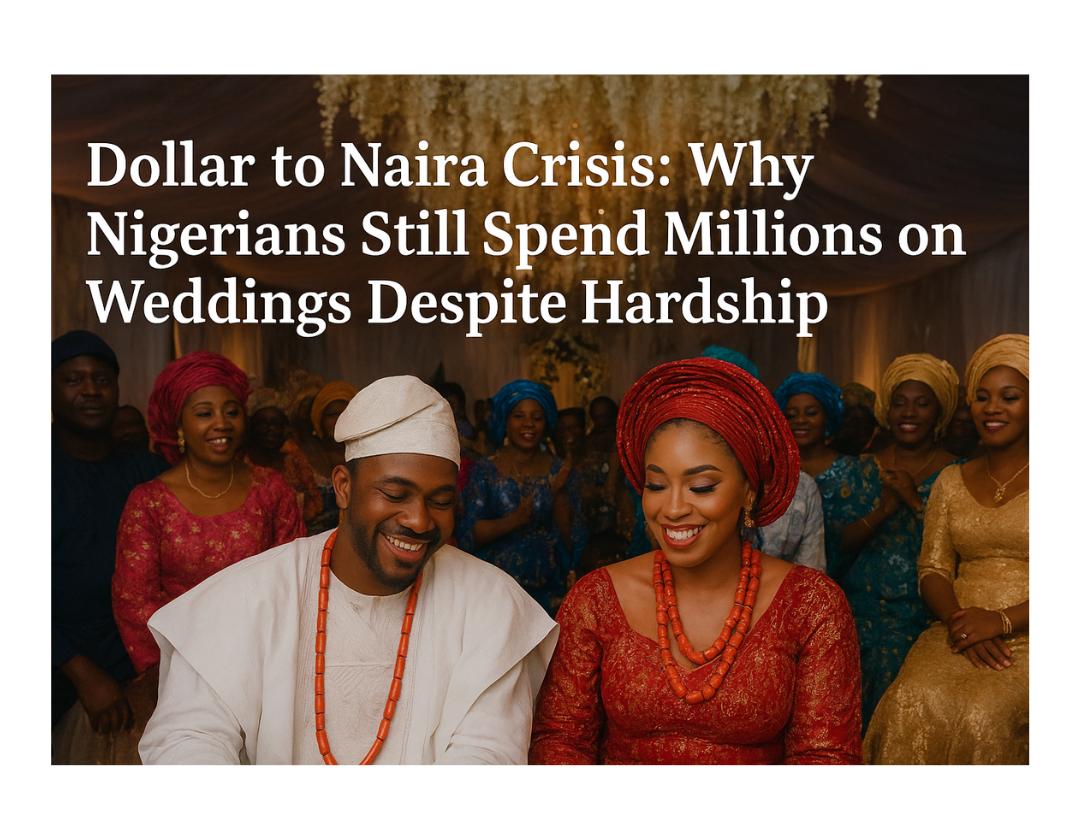
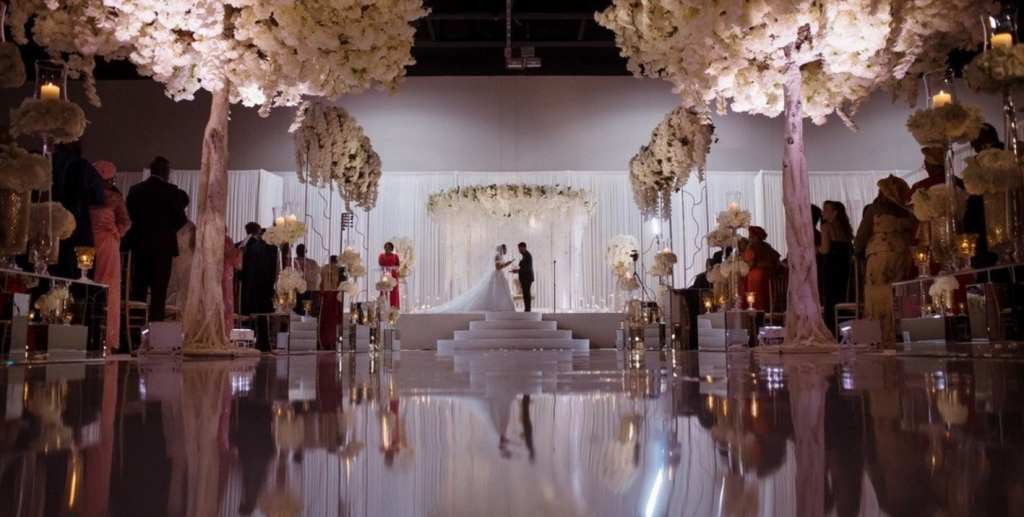
The dollar to naira rate is climbing faster than ever, minimum wage is still under debate, and food prices are through the roof. Yet, every weekend across Lagos, Abuja, Port Harcourt, and even smaller towns, Nigerians are throwing multi-million-naira weddings complete with luxury venues, imported champagne, celebrity musicians, and endless aso ebi.
So the question is this: Why do Nigerians spend so much on weddings in the middle of economic hardship?
1. The Economy vs. Love: The Dollar-to-Naira Reality
In 2025, the naira is hitting record lows, with the dollar exchanging at over ₦1,500. A bag of rice costs more than some monthly salaries, and the average wedding budget in Lagos can run anywhere from ₦10 million to ₦50 million.
Yet despite these figures, couples (and their families) continue to prioritize lavish ceremonies. For many, weddings are not just about romance; they are symbolic victories. Hosting a big event becomes a way of saying, “We may be suffering, but life goes on.” In tough times, celebrations often become louder, almost as a statement of survival against hardship.
2. Culture, Pride, and “What Will People Say?”
In Nigeria, weddings are not just about two people; they are family, village, and community affairs. Bride price negotiations, traditional engagement ceremonies, and the white wedding itself are more than events; they are public stages where family honor is on display.
This is why many families see weddings as an opportunity to showcase pride, wealth, and social standing. And in a society where reputation is everything, the fear of being tagged with a “low-budget wedding” is powerful. Nobody wants whispers of, “They couldn’t afford to do it well.” So, even if it means borrowing money or cutting costs elsewhere, the wedding must look grand.
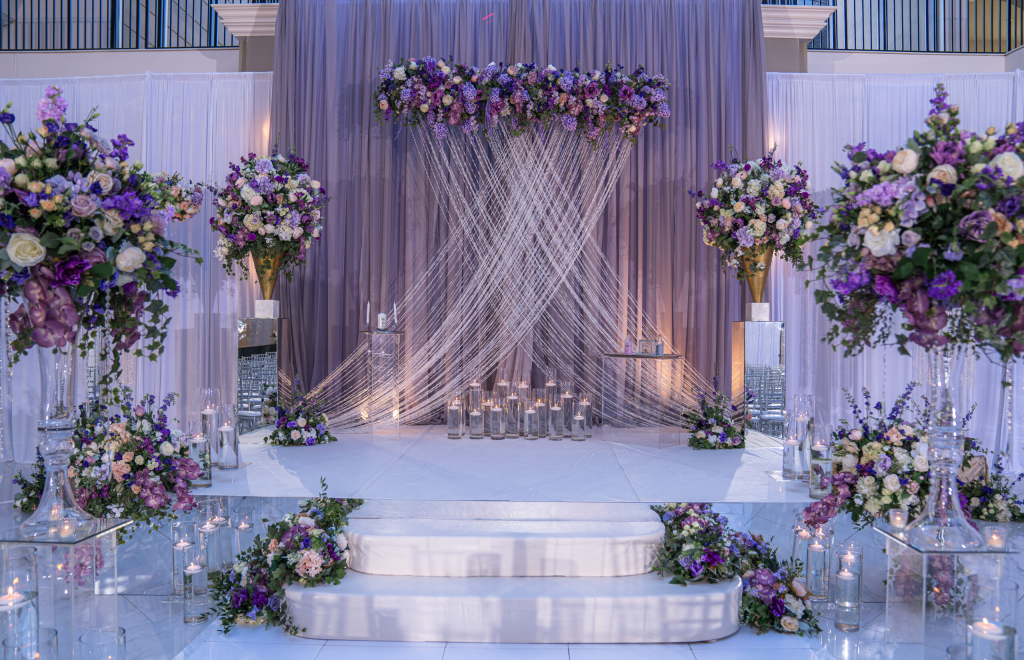
3. Social Media Pressure: The Instagram Wedding Economy
The rise of Instagram, TikTok, and Twitter has turned weddings into carefully curated content. Drone shots of the bride’s entrance, cinematic highlight reels, and personalized hashtags are now standard. Couples often feel pressure not just to host a wedding but to produce a viral spectacle.
Luxury vendors, influencers, and celebrity planners fuel this “Instagram wedding economy.” A single clip of a bride dancing with Davido or a groom arriving in a G-Wagon convoy can trend for days. In Nigeria today, people don’t just marry for love; they marry for aesthetics, clout, and digital memory-making. And in a digital-first society, the wedding that isn’t photographed and shared may as well not have happened.
4. Status Symbol and Investment in Image
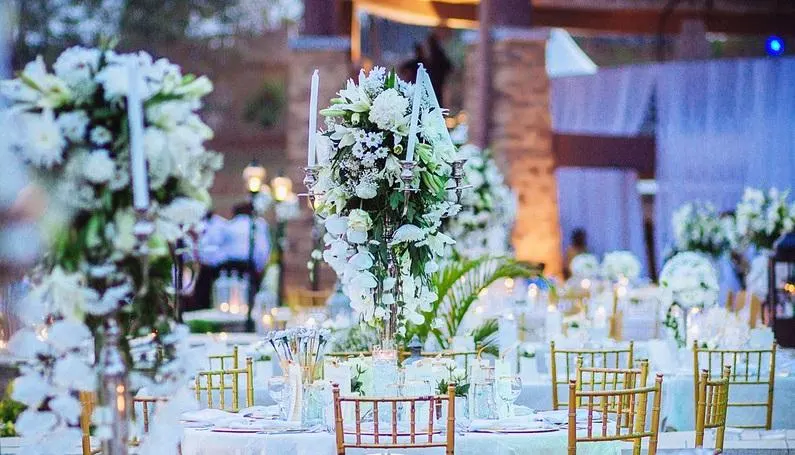
For many Nigerians, weddings are less about personal joy and more about cementing social status. A grand wedding can elevate a family’s standing in politics, business, or even religious circles. The money spent is often seen as an investment in image, one that could yield opportunities later.
In a country where networking is everything, being remembered for “hosting one of the weddings of the year” can open doors. Guests, after all, are often political associates, business partners, or powerful relatives. Spending big is as much about sending a message as it is about celebrating love.
5. The Business of Weddings: Everyone is Cashing Out
Ironically, while the economy squeezes ordinary Nigerians, weddings keep money flowing for thousands of businesses. Event planners, caterers, makeup artists, photographers, designers, MCs, DJs, and hall owners all rely heavily on weddings for income.
Industry analysts estimate that the Nigerian wedding economy is worth several billion naira annually. From aso ebi fabric sellers to rental companies, everyone takes a cut. A single high-profile wedding can employ dozens of vendors, creating a chain of economic activity that keeps small businesses alive.
This is why weddings remain “recession-proof” in Nigeria. They’re not just cultural, they’re commercial engines. While the average Nigerian may complain about hardship, the truth is that weddings put food on many tables.
6. The Double Standard: Hardship vs. Celebration
It’s almost poetic: Nigerians may protest about food prices in the morning and attend a ₦20 million wedding in the evening. This contradiction reveals something deeper about the national psyche. Weddings are not just ceremonies; they are escapes.
Amid inflation, unemployment, and uncertainty, weddings provide joy, music, and laughter. They allow people to forget, at least for a day, the rising cost of rice or fuel scarcity. In this way, celebrations become coping mechanisms. Nigerians value survival, but they also value celebration, and weddings combine both beautifully.
7. The Future: Will Things Change?
As the dollar keeps rising and inflation deepens, many young couples are beginning to rethink. Some are opting for smaller, private weddings, livestreamed for friends and family abroad. Others are embracing destination elopements or creative, low-cost alternatives.
But the traditional “big Nigerian wedding” isn’t disappearing anytime soon. Culture, status, and pride are still stronger than financial logic. What may evolve is the style of fewer guests, smarter spending, and more digital innovations. The heart of it, however, will remain: Nigerians will always find a reason to celebrate loudly.
Conclusion
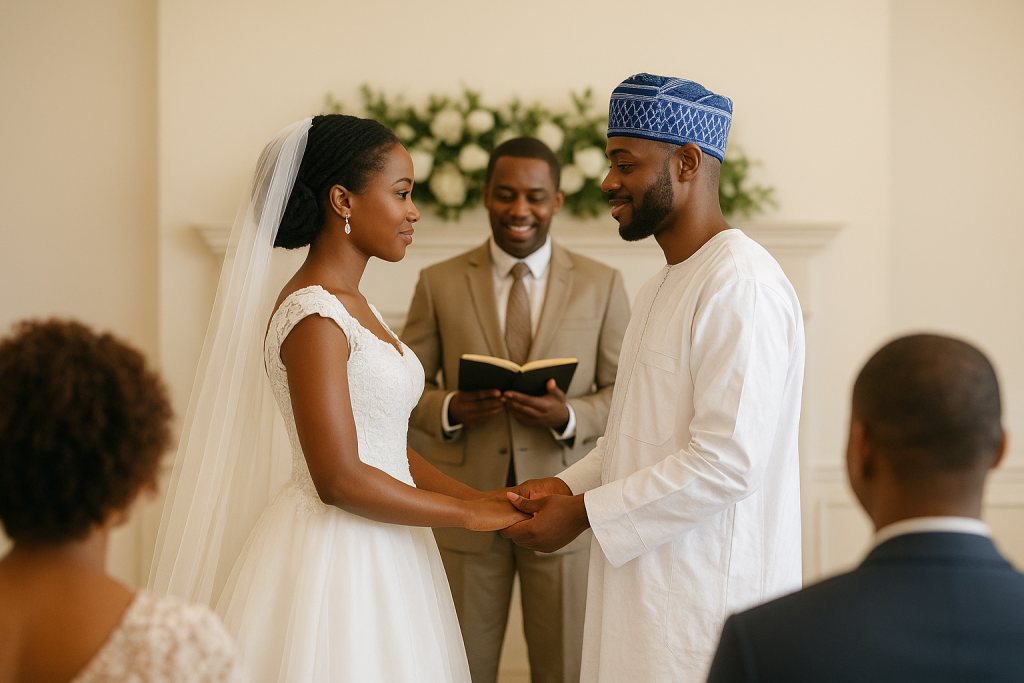
The dollar-to-naira crisis is real. Hardship is biting. Yet, in Nigeria, weddings remain an unshakable cultural phenomenon. They are where love meets pride, where hardship meets celebration, and where tradition collides with Instagram.
At the end of the day, a Nigerian wedding is not just about the couple; it’s about family, society, and the chance to shine, even if only for one day.
Soft Plug CTA for Vonza
Thinking of planning your dream wedding or building a business around Nigeria’s booming wedding industry? With Vonza, you can create a free website to showcase your services, manage bookings, and grow your brand all in one place. Start free today.